1st70.5
Bill Polian
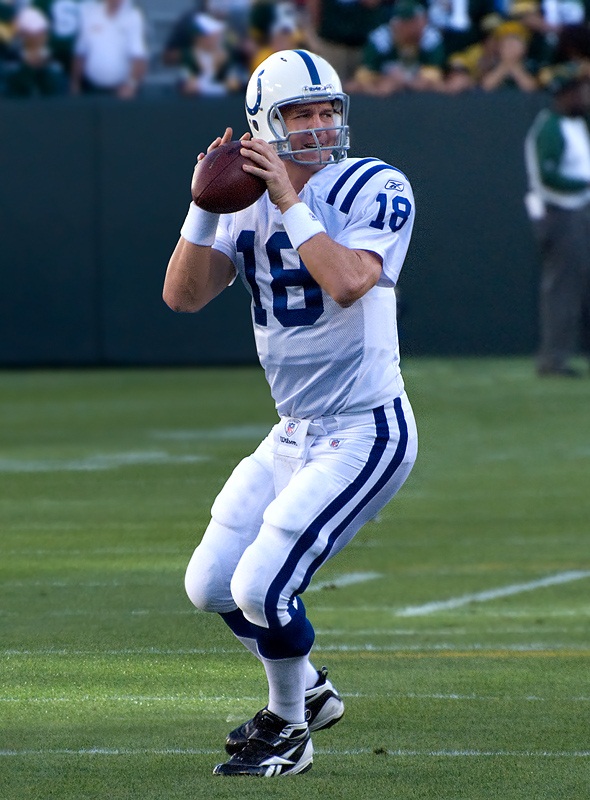
The best complete era. Manning mattered enormously, but Polian also produced the strongest combination of long-term winning, playoff success, coaching stability and durable star talent.
Indianapolis Colts · 1998–2025
Bill Polian had Peyton Manning. Ryan Grigson had Andrew Luck. Chris Ballard kept finding good players. We researched the entire period to separate what fans remember from what each front office actually built.
All people shown in this report use authentic, rights-reviewed photography. No AI-generated stand-ins.
The quick answer
You can understand the result before seeing a single formula.
The best complete era. Manning mattered enormously, but Polian also produced the strongest combination of long-term winning, playoff success, coaching stability and durable star talent.
Better than the memory of his ending. Three straight 11-win seasons and an AFC Championship appearance matter, even though his personnel decisions were extremely volatile.
A strong talent evaluator who never completed the conversion. Good drafts and smart individual moves did not become a division title or a durable championship window.
One-sentence takeaway: Polian built the strongest organization, Grigson built the fastest short-term winner, and Ballard built the most frustrating gap between good personnel work and actual results.
Chapter 01 · Meet the three eras
Before comparing scores, understand what each era felt like and what problem each executive was trying to solve.
Draft Manning, surround him with a long-running core, stabilize the coaching staff and keep giving Indianapolis another shot at January.
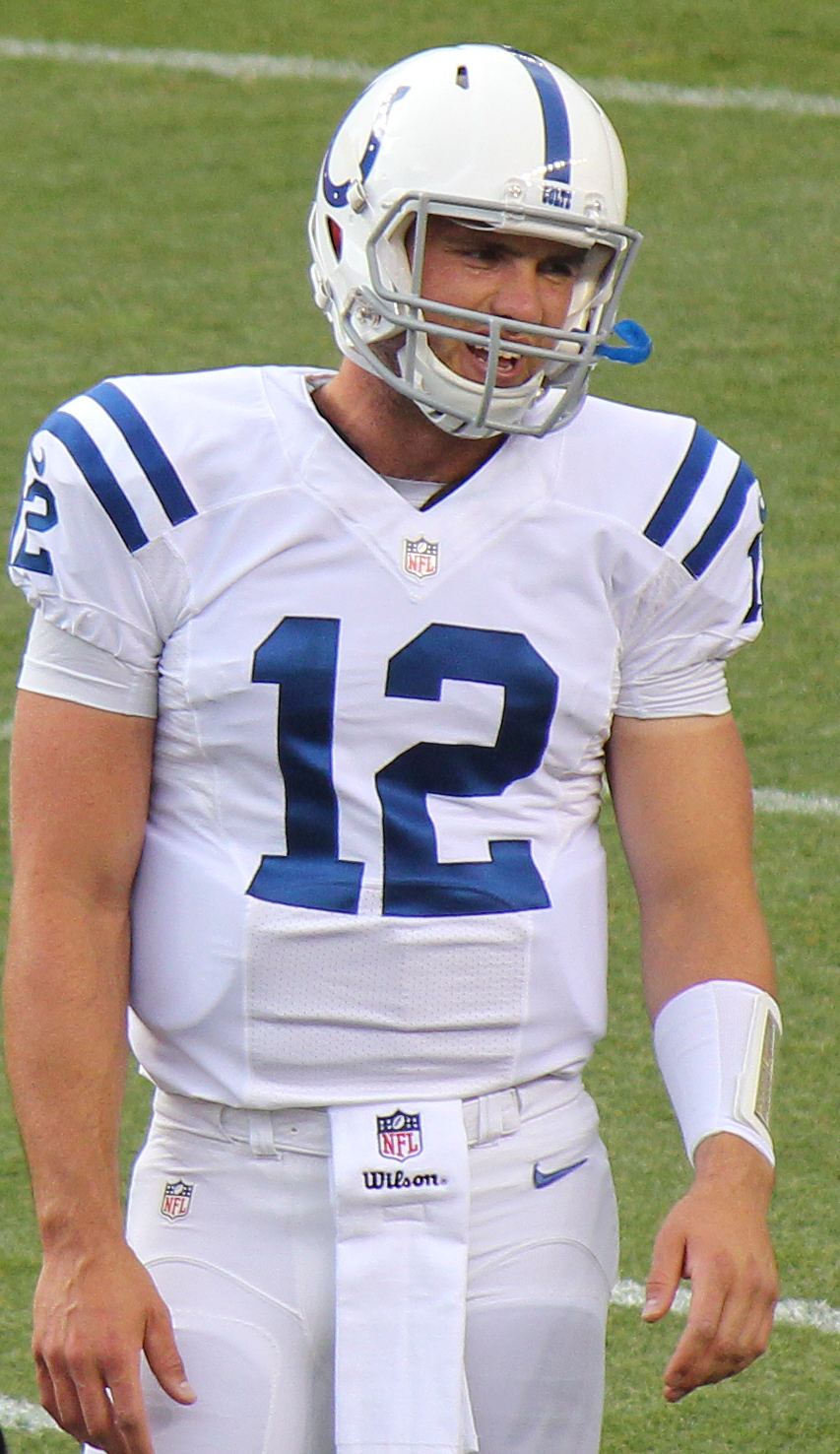
Luck arrived and the Colts immediately won. The ceiling came quickly; the roster-building mistakes piled up almost as fast.
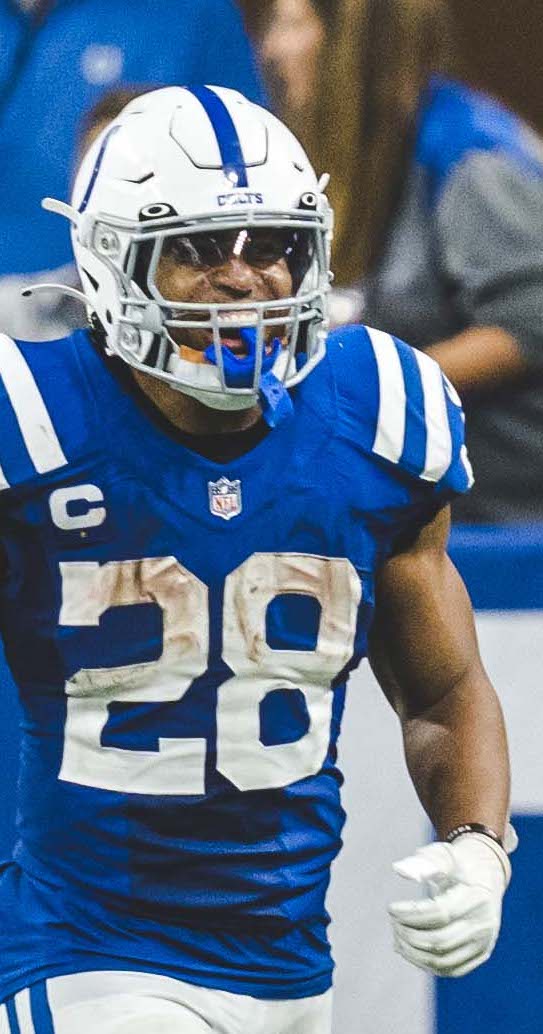
Ballard found legitimate stars and managed resources well, but Luck's retirement triggered years of quarterback resets and middling team outcomes.
Your guide through the report
Who actually won?
The first check is the simplest one: did the organization win meaningful football games? Polian's era repeatedly reached the playoffs and won the division. Grigson's first three teams went 11–5 and climbed all the way to an AFC Championship Game. Ballard never won the AFC South through 2025.
What this tells us: regular competence is not the same as sustained contention. Ballard's teams were often competitive; Polian's teams repeatedly became something more.
Was Polian really just Peyton Manning?
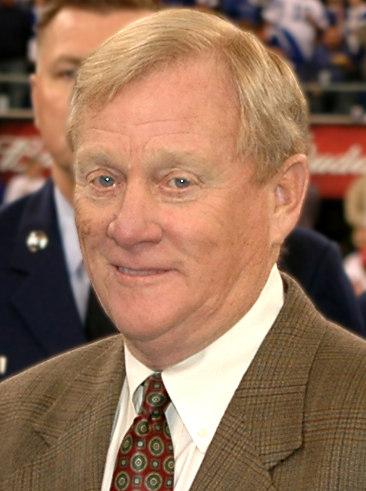
If Polian's case disappeared the moment we looked beyond quarterback, the “it was all Peyton” argument would hold. It did not. The era also had the strongest coaching environment, repeated postseason conversion and a long list of homegrown players who became durable Colts stars.
What this tells us: Peyton was the engine, but Polian built the most complete machine around his quarterback.
Was Grigson really that bad?
Fans remember Trent Richardson, bad offensive-line construction and the physical toll around Andrew Luck. Those criticisms are real. But the Colts also went 11–5 in each of Grigson's first three seasons and reached the AFC Championship Game.
Trent Richardson. Draft misses. Veteran gambles. Luck taking punishment.
11–5. 11–5. 11–5. Three straight playoff seasons. AFC Championship appearance.
What this tells us: Grigson was not consistently good. He was a high-variance executive whose best stretch produced real team success.
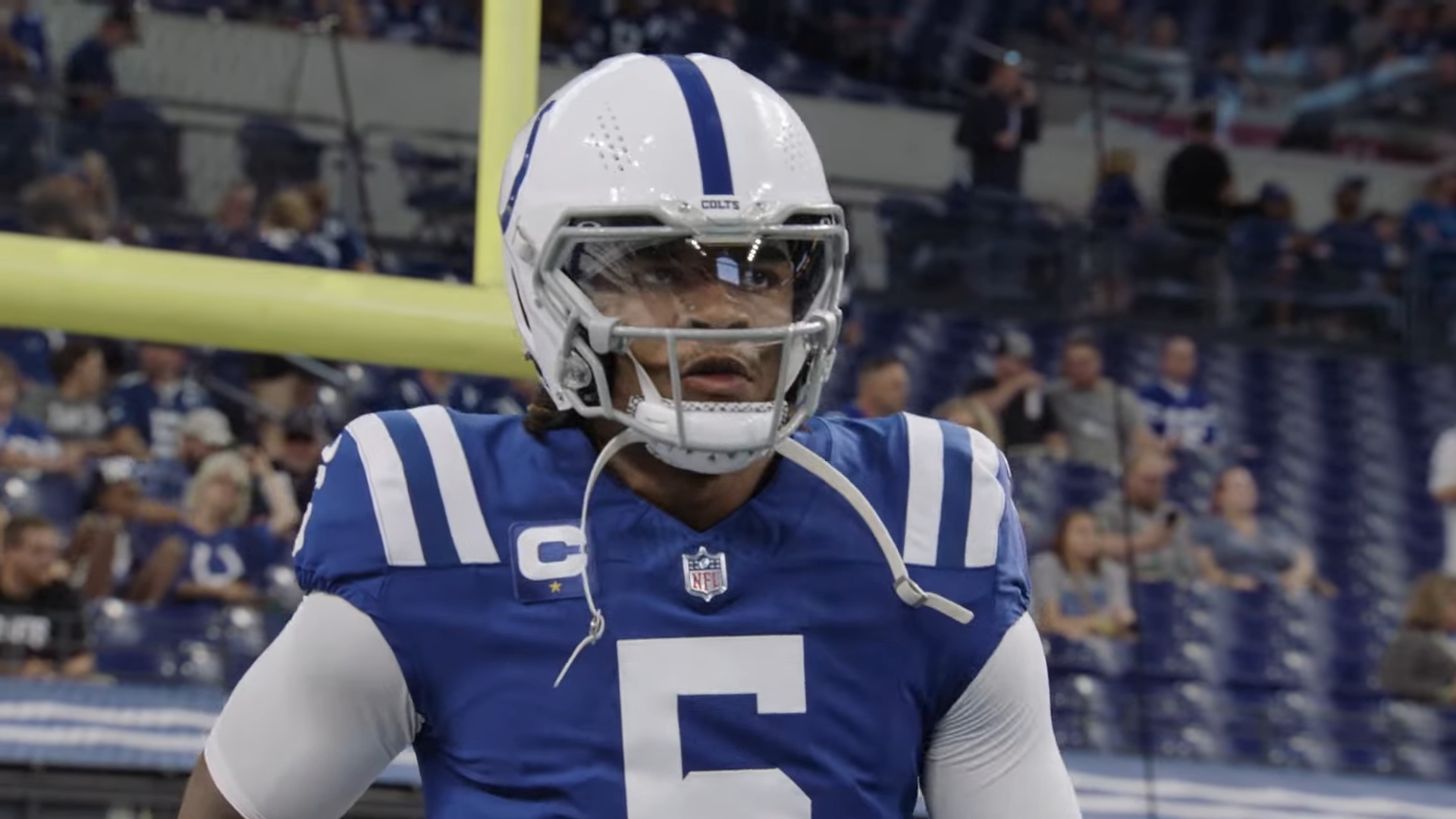
Why didn't Ballard's talent become wins?
Ballard's strongest argument is supported by our own research: he was good at several parts of personnel work. The problem is that those wins never synchronized into a championship-level team.
Winning individual personnel decisions is not the same as building a winning organization.
Who actually solved quarterback?
Polian had a thirteen-season solution in Manning. Grigson immediately reset with Luck. After Luck retired, Indianapolis cycled through bridge quarterbacks, reclamation bets and a high-upside draft swing without finding the same durability.
What this tells us: a quarterback reset changes much more than one position. It changes coaching, scheme, contracts, draft capital and the timeline of the entire roster.
Who drafted best?
The highest-rated single draft class in the entire project belonged to Ballard. Polian still narrowly won the complete draft-and-development category because more of his picks became durable elite Colts.
What this tells us: one spectacular draft can transform a roster. It cannot solve quarterback, synchronize every position group or guarantee playoff success by itself.
Who made the smartest moves?
Ballard actually won our roster-resource category. Grigson made both excellent aggressive moves and some of the most damaging bets in the study. Polian's moves were generally less volatile.
What this tells us: Ballard's final ranking is not punishment for being bad at every job. He finished last despite genuinely strong work in this area.
Who built the most stable football environment?
The Polian era kept quarterback, coaching philosophy and roster construction aligned for years. Grigson's teams were surprisingly resilient when injuries hit. Ballard's era dealt with more resets in quarterback, coaching and roster timing.
Long-running continuity allowed players, scheme and personnel decisions to reinforce one another.
The Luck-era Colts often kept winning through disruption better than Grigson's reputation suggests.
Repeated quarterback and coaching transitions made it harder for strong position groups to peak together.
Want the deeper layer?
This is the “prove it” layer. You already know the story; these are the seven measurements underneath it.
Final weighted verdict · seven-dimension comparison
Does the answer hold up?
Change the priorities yourself. This is how we check whether we accidentally designed the model just to make Polian win.
Winner under these priorities
Bill PolianPolian wins the published balanced model by 9.5 points.
What this tells us: the conclusion is not dependent on one convenient formula. Ballard can win if we care almost exclusively about drafting and transactions; Grigson can win a narrow roster-and-resilience test. In complete models, Polian's advantage is extremely difficult to erase.
Final answer
Polian synchronized quarterback, coaching, stars and results. Grigson created a fast but unstable contender. Ballard repeatedly found good ingredients without producing the same complete outcome.
The purpose of good process is conversion: resources → talent → team quality → meaningful winning.