1st71.6
Brad Holmes
The transformational era. Best results, best postseason conversion, best quarterback stability, best development, best roster-resource strategy, best coaching ecosystem and best resilience.
Detroit Lions · 2001–2025
Detroit had stars before Brad Holmes. It had Matthew Stafford before Brad Holmes. It even had winning seasons before Brad Holmes. What changed was that quarterback planning, drafting, coaching, roster timing and depth finally started reinforcing one another.
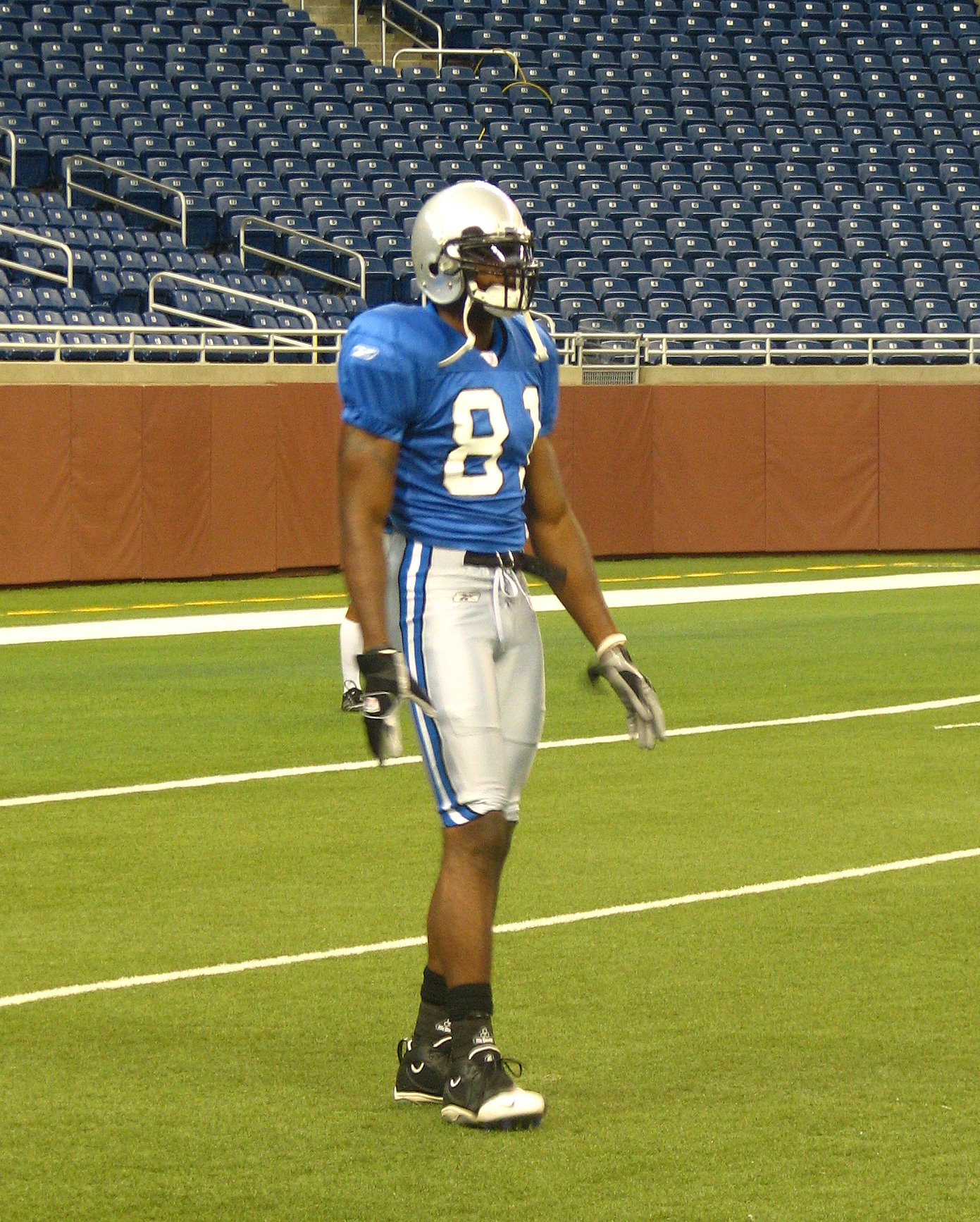
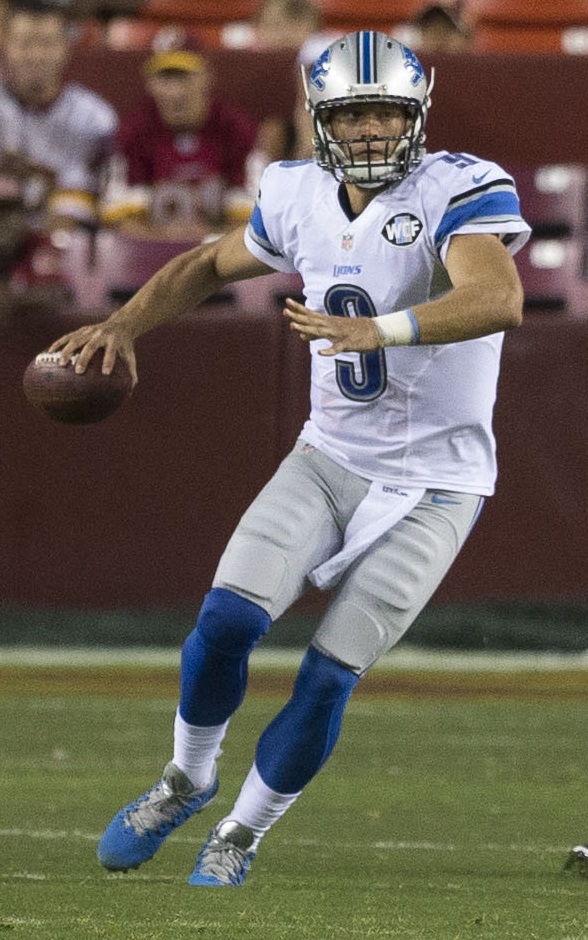
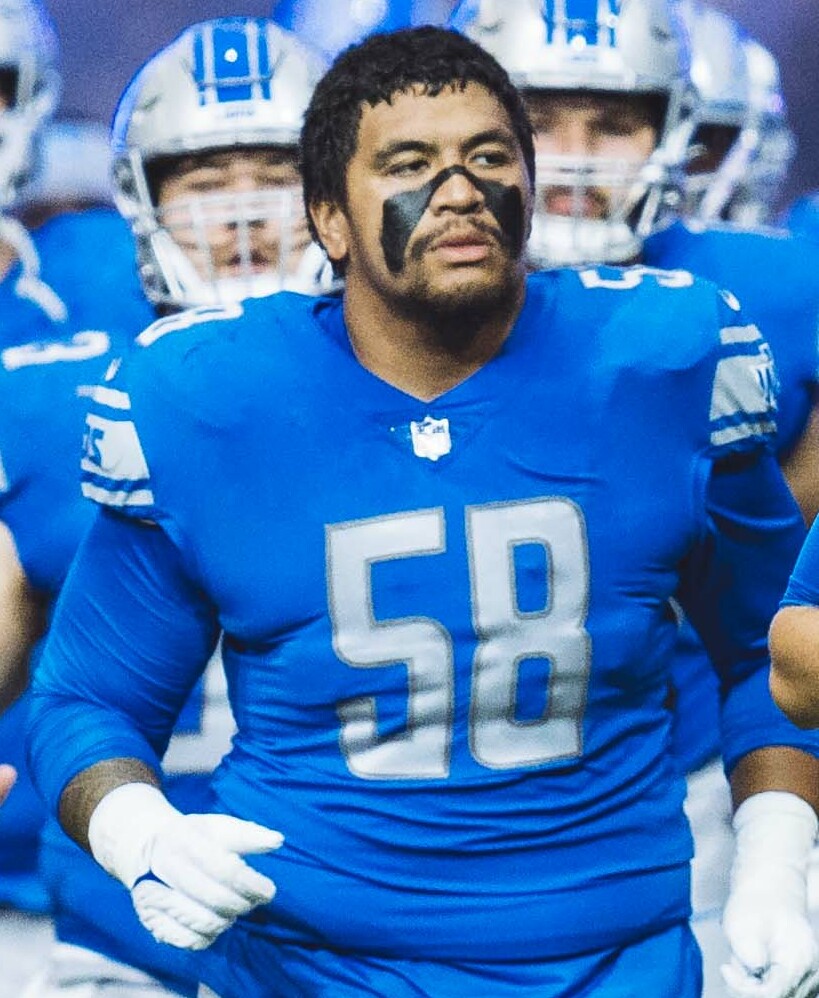
All people shown in this report use authentic, rights-reviewed Detroit Lions photography. No AI-generated stand-ins.
The quick answer
Brad Holmes leads every single one of the seven categories. The more interesting story is what the other three eras teach us about how Detroit finally changed.
The transformational era. Best results, best postseason conversion, best quarterback stability, best development, best roster-resource strategy, best coaching ecosystem and best resilience.
Much better than zero playoff wins makes him look. Stafford, Suh, the 2013 draft, excellent veteran acquisitions and the Schwartz-to-Caldwell transition built a legitimate football operation.
Useful inputs, broken conversion. Stafford stayed stable and Quinn found real players, but the Caldwell-to-Patricia decision and roster ecosystem made the organization worse.
Isolated hits never became a system. Calvin Johnson and several good individual decisions existed inside a 31–97 era with no winning seasons or playoff appearances.
One-sentence takeaway: Holmes did not change Detroit with one great move—he built the first era in this study where the important parts of the organization consistently reinforced one another.
Chapter 01 · Meet the four eras
The same franchise went through four very different organizational identities in 25 completed seasons.
Repeated premium misses, three head-coaching regimes and isolated stars ended with the NFL's first 0–16 season.
Stafford, Suh, a stronger roster and two different playoff-caliber coaching phases rebuilt Detroit from the bottom.
Detroit already had Stafford and a winning coach. Quinn found some good players, then changed the ecosystem around them and watched the results collapse.
The Stafford trade, elite young talent, Campbell alignment, retention and depth combined into division titles and an NFC Championship appearance.
Your guide through the report
How bad was Millen really?
Millen was not incapable of making a good decision. Detroit's 2001 draft produced Jeff Backus, Dominic Raiola and Shaun Rogers. Dre' Bly became a Pro Bowler. Calvin Johnson became a Hall of Famer. The problem is that those wins never compounded.
What this tells us: a franchise can have great players and still be badly built. Individual talent does not prove organizational quality.
Who actually rebuilt after 0–16?
The Lions never won a playoff game during Mayhew's full-season era, which makes the tenure easy to dismiss. But Mayhew drafted Stafford, drafted Suh, produced the 2013 Slay–Warford–Ansah class, acquired Glover Quin, Golden Tate and Matt Prater, and successfully moved from Jim Schwartz to Jim Caldwell.
Zero playoff wins.
Strong QB creation, strong roster resources, good coaching decisions and Detroit's best pre-Holmes development record.
What this tells us: Mayhew's failure was converting a credible organization into postseason wins—not failing to build anything credible at all.
Who gets credit for Matthew Stafford?
This report forced a new Era Theory distinction. Mayhew created the Stafford solution by using the No. 1 pick in 2009. Quinn inherited and retained that solution. Holmes later converted Stafford's departure into another quarterback and premium resources.
Drafted Stafford No. 1 overall and supplied credible early contingency planning.
Kept Stafford stable and extended him. Valuable management, but not quarterback creation.
Turned Stafford into Jared Goff plus first-round capital, then made Goff the long-term answer.
What this tells us: “had a franchise quarterback” is not enough. Era Theory now separates who found the answer, who maintained it and who successfully handled succession.
Why did Quinn fail with Stafford and some good drafts?
Quinn's personnel record is not empty. Taylor Decker, Graham Glasgow, Kenny Golladay and Frank Ragnow were real hits. Stafford gave the offense continuity. But roster-resource decisions worsened, homegrown value leaked out, and the coaching environment stopped converting talent into wins.
Detroit did not fail because Quinn never found talent. It failed because the organization became worse at turning talent into team quality.
How much did the Patricia decision change?
Quinn inherited Jim Caldwell and explicitly retained him. Detroit went 9–7 in both 2016 and 2017. Quinn then decided that 9–7 was not enough, fired Caldwell and hired Matt Patricia. The ambition was reasonable. The replacement was disastrous.
What this tells us: coaching is not a side variable. It can amplify or destroy the value of the same quarterback, draft picks and contracts.
What did Holmes actually fix?
The Holmes era scores highest in every category because the decisions began compounding. Goff stabilized quarterback. Sewell and St. Brown became elite. Campbell and his staff developed young players. The front office retained proven core pieces. Depth preserved seasons when injuries hit.
What this tells us: the real turnaround is organizational synchronization—not a miracle transaction.
Was the Holmes turnaround just the Stafford trade?
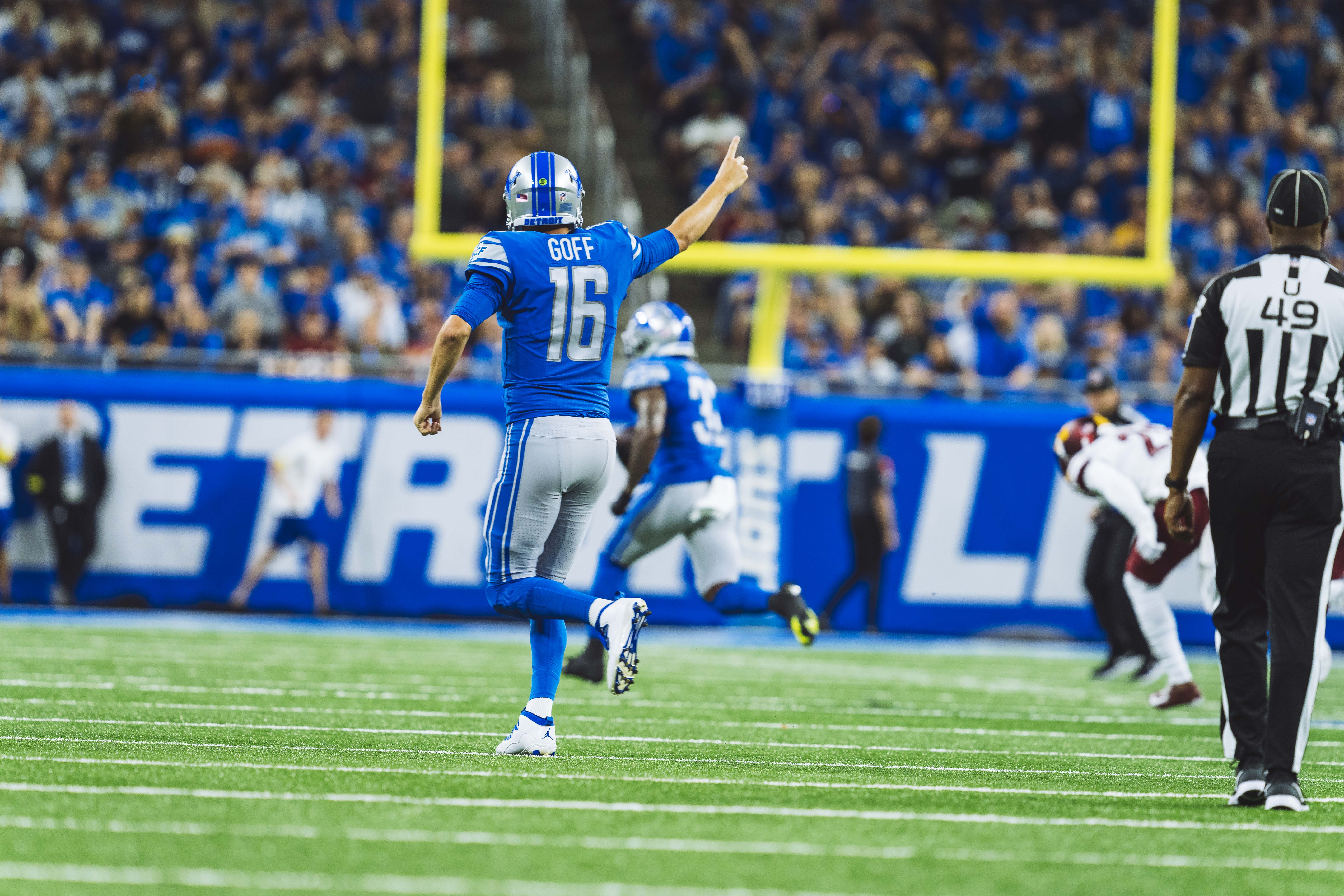
Holmes received Jared Goff, a 2021 third-rounder and first-round picks in 2022 and 2023 for Stafford. That was valuable immediately. What made it transformational was that Goff became the long-term quarterback while the acquired flexibility helped Detroit build the next roster.
What this tells us: great trades matter most when the organization knows what to do with the return.
Who actually built the best talent?
Only the 2021 and 2022 Holmes classes are mature enough for class scoring. The 2023–2025 classes are tracked but intentionally withheld. Even with that restriction, Holmes leads because those mature classes are elite and the player-peak evidence confirms that the talent became elite Lions production.
What this tells us: Holmes is not winning because we overgraded young prospects. The conservative version already wins.
How did Detroit survive the 2024 injuries?
The Lions lost Aidan Hutchinson, Marcus Davenport, Derrick Barnes, Alex Anzalone, Malcolm Rodriguez, Alim McNeill, Carlton Davis and many others. More than 20 players were on injured reserve late in the year. Detroit still earned the NFC's No. 1 seed.
One of the strongest regular-season resilience cases in either Era Theory report.
The limit case: depth is not infinite, and the system could not preserve the same ceiling twice.
What this tells us: 2024 is evidence of real organizational depth. 2025 is the necessary warning against pretending the Holmes system is invulnerable.
Want the deeper layer?
This is the “prove it” layer. The story came first; these are the exact category scores underneath it.
Final weighted verdict · seven-dimension comparison
Can the verdict be broken?
We tested the same alternate philosophies used for Indianapolis, then removed each dimension one at a time and ran 300,000 random-weight models.
Winner under these priorities
Brad HolmesHolmes wins the published model by 17.8 points.
What this tells us: Holmes currently leads every individual dimension. With these same seven categories and nonnegative weights, there is no weighting trick that puts another era first. That is model robustness—not a claim that Holmes is “100% objectively correct.”
Final answer
Millen had isolated hits. Mayhew rebuilt a credible football operation. Quinn inherited quarterback stability and found useful players but damaged the ecosystem around them. Holmes created the first era in this study where quarterback succession, talent acquisition, coaching, retention, results and resilience all improved together.
The turnaround was not one great decision. It was the point where good decisions began reinforcing the next good decision.
Why 71.6 is not a perfect-era score: Detroit still has no Super Bowl trip through the 2025 cutoff, the 2025 team regressed to 9–8, and three recent Holmes draft classes remain too young for mature class scoring.