1st83.6
Haliburton Core
Five series wins in two playoff trips, the 2025 Finals, a 98.5 star-conversion score and a 97.0 system score.
Indiana Pacers · 2010–2026
Indiana did not go directly from Paul George to Tyrese Haliburton. It preserved value through multiple star exits, changed the style around the roster, and eventually reached Game 7 of the NBA Finals.
Real people, real photographs. Every player shown here comes from a rights-reviewed authentic source. No AI athlete stand-ins.
The quick answer
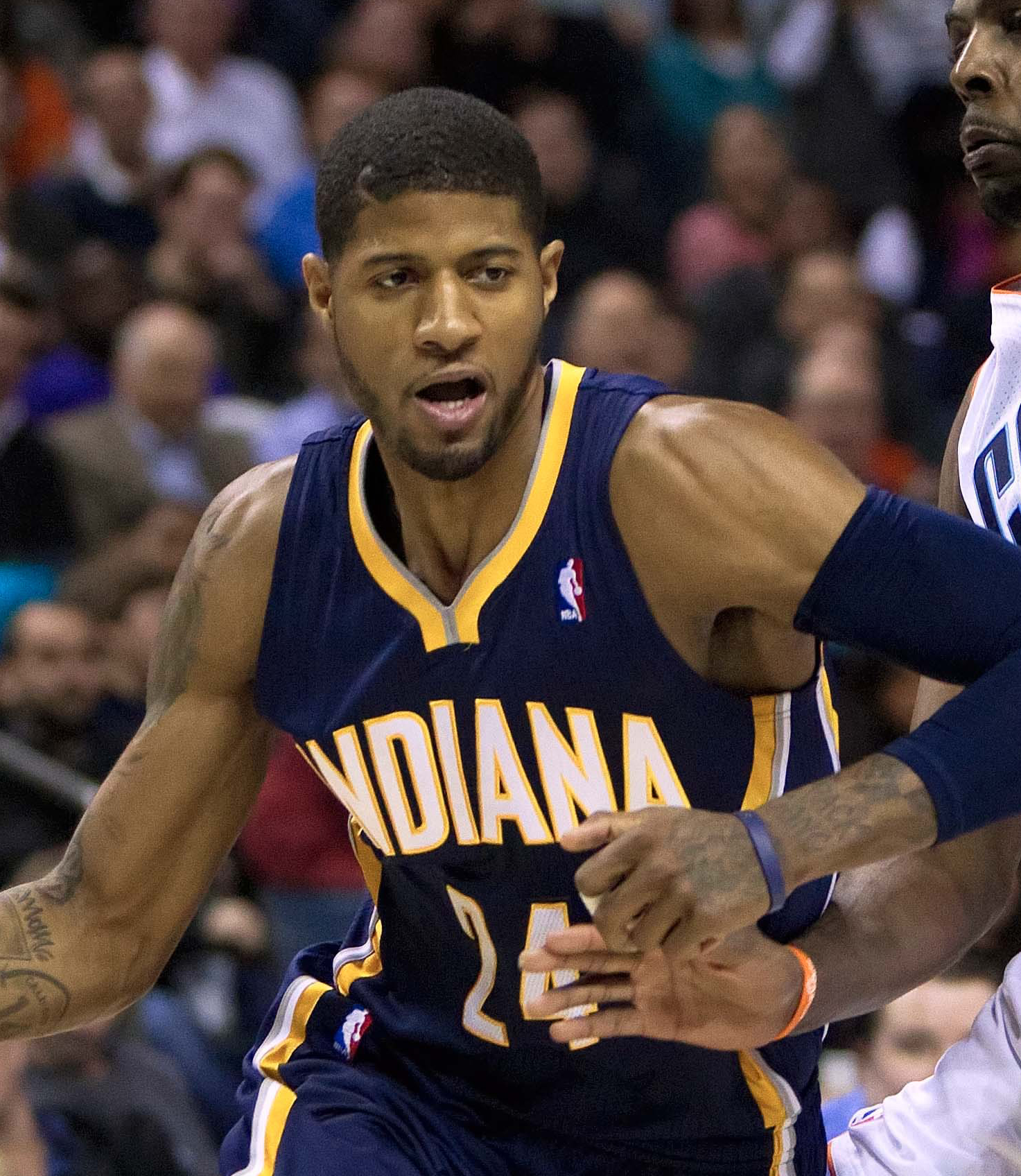
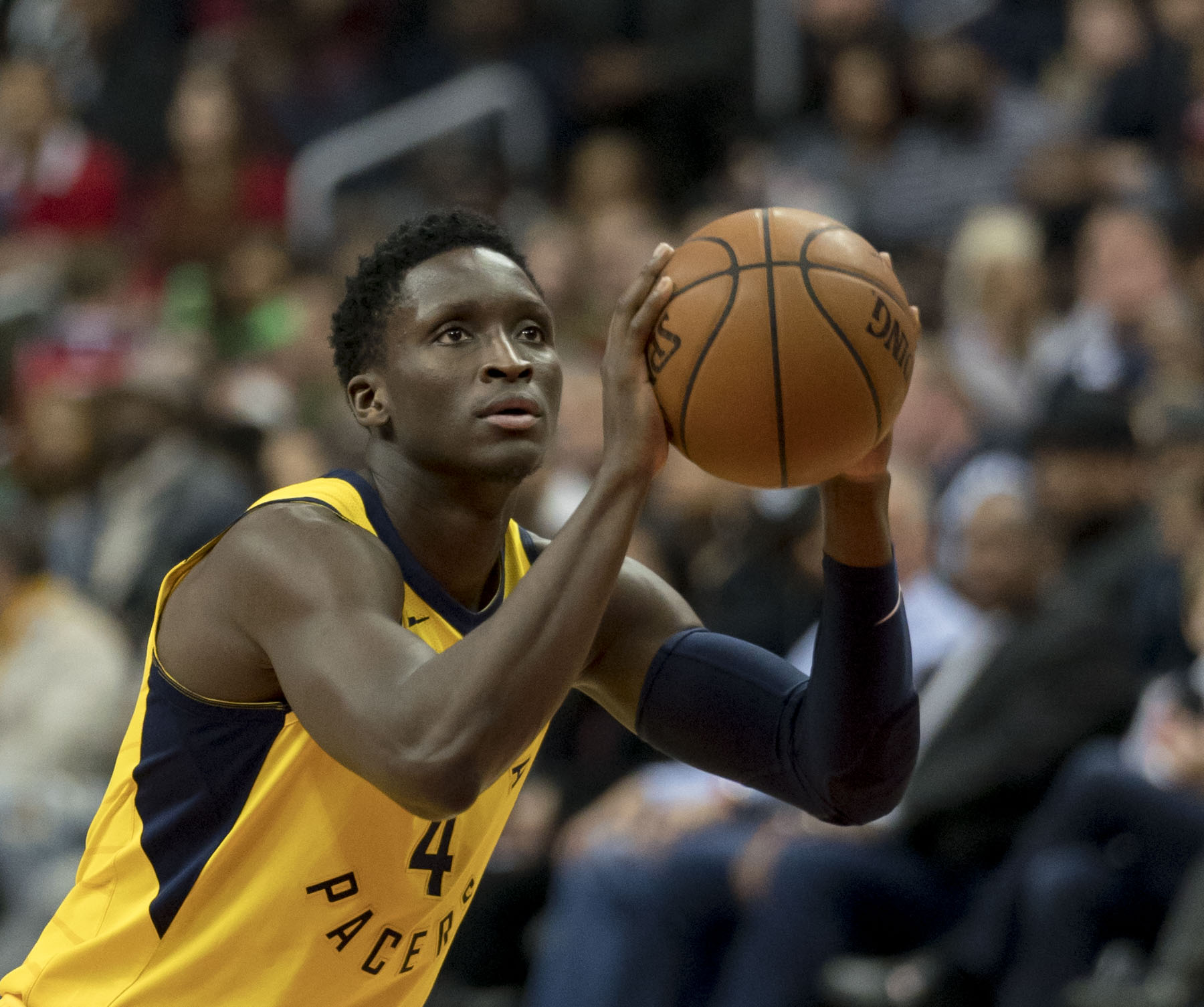
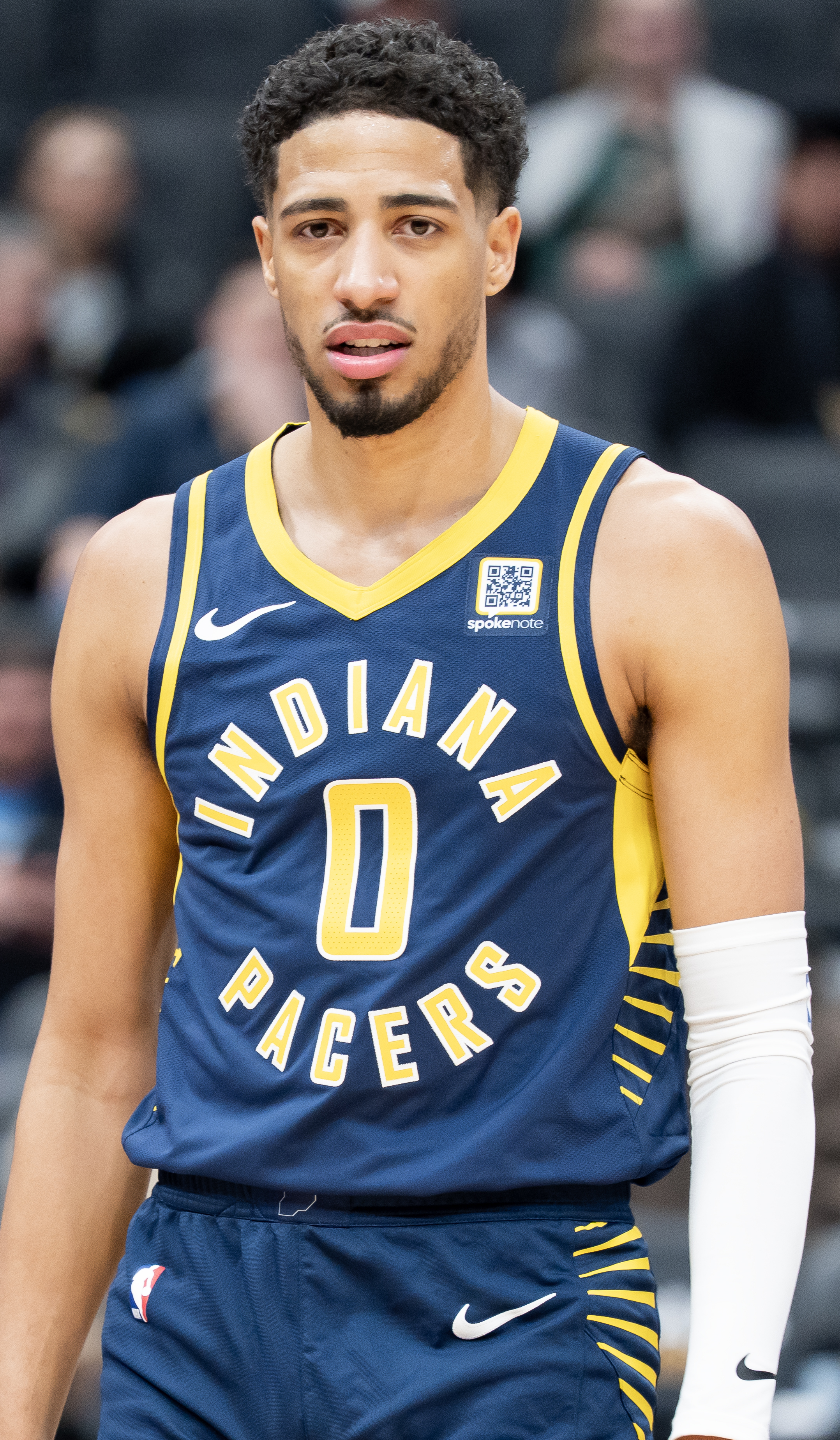
Haliburton owns the highest ceiling, best star conversion and strongest system fit. George owns the better regular-season floor, elite two-way peak concentration and resilience.
Five series wins in two playoff trips, the 2025 Finals, a 98.5 star-conversion score and a 97.0 system score.
The strongest regular-season, elite-core and resilience profile. It wins reasonable models that value durability over ceiling.
An essential bridge and the best asset-preservation stretch, but zero playoff series wins keep it well behind.
Bottom line: Indiana's advantage was not avoiding every bad year. It was repeatedly preserving enough value from one centerpiece to create the next competitive core.
Chapter 01 · The whole story
The next star is already on the roster before Danny Granger disappears.
A forced exit becomes an All-NBA guard plus a future All-Star trade asset.
An existing All-Star becomes a younger offensive engine.
The chain finally becomes a championship-level roster.
What this tells us: Indiana repeatedly rebuilt from existing basketball value instead of starting from zero.
Your guide through the story
Was the George core actually great?
Indiana went 309–248, reached two Eastern Conference Finals and built back-to-back No. 1 defenses. When George missed almost all of 2014–15, Vogel's system still produced a 38–44 team with a top-10 defense.
What this tells us: this was not “just Paul George.” It was a synchronized two-way contender.
Was the 2017 George trade really a win?
The forced exit produced Victor Oladipo and Domantas Sabonis. Oladipo immediately became All-NBA, All-Defense and Most Improved. Sabonis later became a two-time Pacers All-Star—and the centerpiece of the Haliburton trade.
What this tells us: the George trade did not merely replace one player. It supplied material for two future cores.
Why did the Oladipo/Sabonis core stall?
Oladipo's 2017–18 season was genuinely elite. His 2019 quad rupture broke that version of the team. Sabonis rose later, Turner remained a high-level specialist, and Indiana kept winning regular-season games—but the core never won a playoff series.
What this tells us: this era mattered more as a value-preservation bridge than as a finished contender.
Why was Sabonis-for-Haliburton different?
The transition grades 98.5 because it preserved outgoing value, solved the next lead-star question and eventually raised the ceiling to the NBA Finals.
What this tells us: star succession became an organizational multiplier instead of a reset button.
What did Carlisle and Haliburton change?
Indiana became 4th in pace in 2022–23, then 2nd in pace and offensive rating in 2023–24. By 2024–25 the offense remained top-10 while the defense improved to the middle of the league.
Vogel, size and half-court control.
Carlisle, pace, passing, spacing and depth.
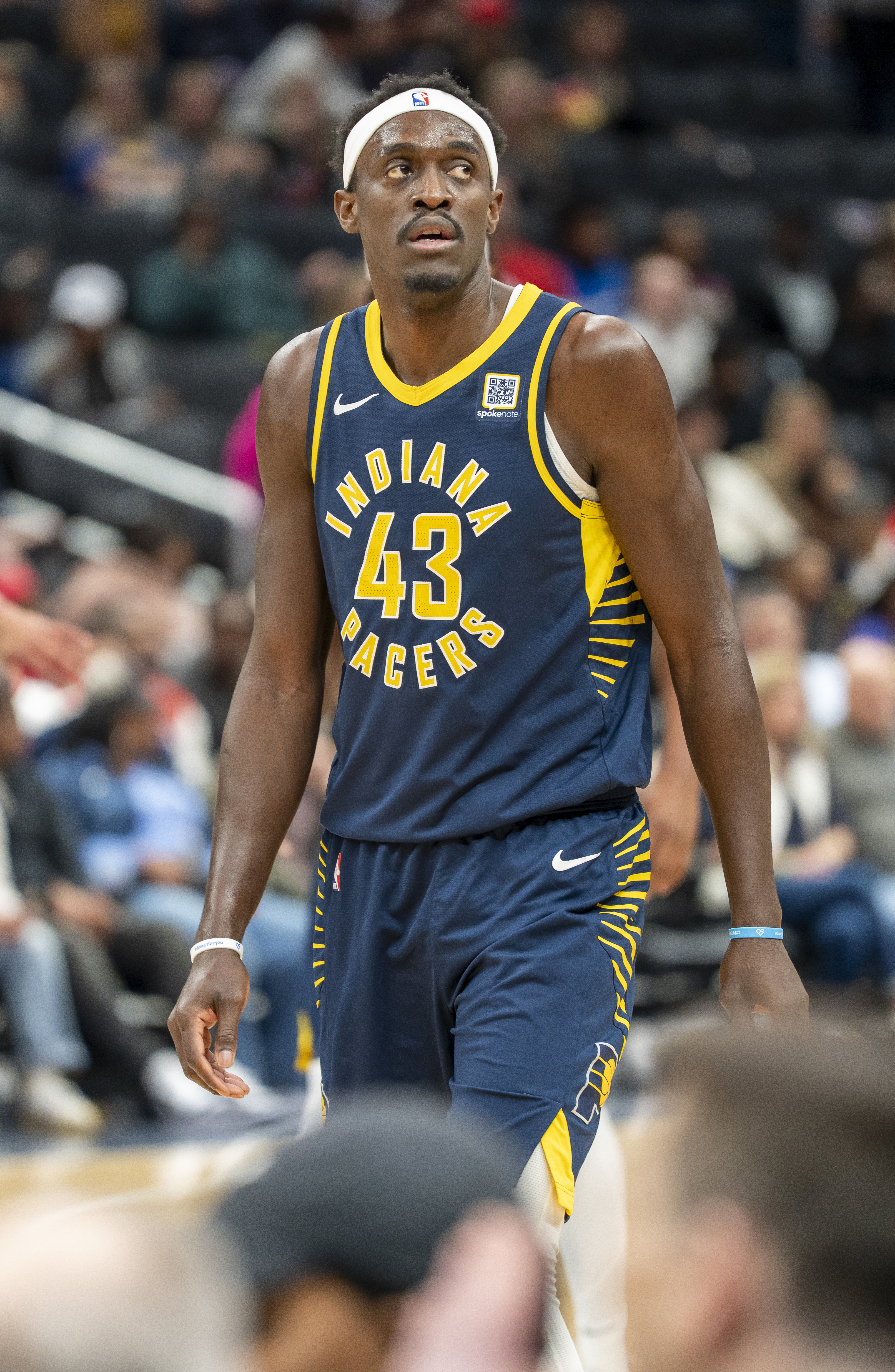
Why did Siakam complete the build?
Indiana paid a premium price, then retained Siakam long term. He added a veteran half-court scorer and became the 2025 Eastern Conference Finals MVP.
What this tells us: the best transaction was not always the cheapest one. Fit and retained value mattered.
How dependent is the modern core on Haliburton?
Indiana was 7–19 without Haliburton in 2022–23. In 2023–24, Nembhard, McConnell and Siakam helped the team reach the ECF through injuries. But when Haliburton missed all of 2025–26, the offense fell to 29th and the Pacers went 19–63.
What this tells us: deep playoff depth is not the same thing as having a second full-season offensive engine.
Did Indiana really avoid tanking?
Indiana absolutely had bad seasons: 25–57 in 2021–22, 35–47 in 2022–23 and the injury-driven 19–63 season in 2025–26. What it did not do between George and Haliburton was deliberately spend years liquidating everything for repeated top-five lottery chances.
“No long tank” does not mean “never lost.” It means the next core was repeatedly financed by value already inside the organization.
Chapter 10 · Prove it
The research workbook remains private; the public scorecard exposes the logic without handing away the organized database.
Team 75.2 · Postseason 62.3 · Star conversion 95.1 · Development 67.4 · Resources 76.0 · System 88.9 · Elite core 94.9 · Resilience 76.7
Team 64.3 · Postseason 6.0 · Star conversion 88.5 · Development 48.0 · Resources 91.0 · System 63.4 · Elite core 77.0 · Resilience 67.7
Team 52.1 · Postseason 93.7 · Star conversion 98.5 · Development 70.4 · Resources 89.0 · System 97.0 · Elite core 89.7 · Resilience 55.3
Chapter 11 · Change what matters
Yes. This is the first Era Theory report where reasonable priorities genuinely change the answer.
Published model: Haliburton wins by combining Finals-level postseason conversion with elite succession and system fit.
Chapter 12 · Final answer
The Haliburton core is the best overall core in the published model because it turned the conversion chain into the highest postseason ceiling. The George core remains a legitimate alternative if you value sustained floor and two-way resilience more. The middle core matters because it kept the asset chain alive.
The Pacers did not keep finding a brand-new franchise. They kept turning the value of the old one into the next one.